Estate cleanouts can feel overwhelming. There may be rooms full of furniture, stacks of paperwork, family keepsakes, old appliances, and a home that needs to be prepared for sale or transfer.
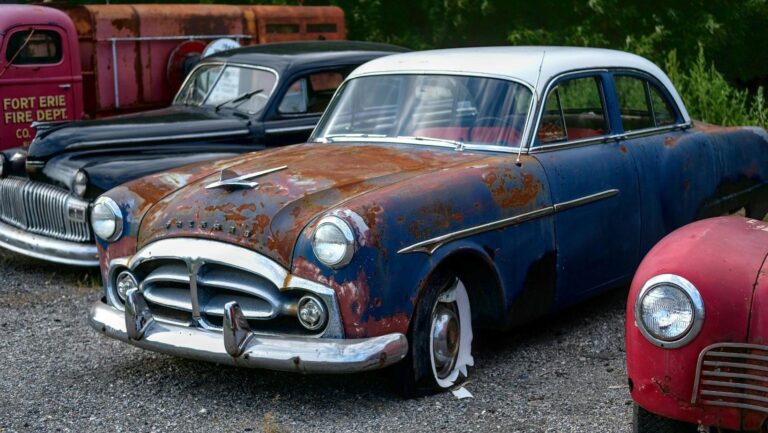
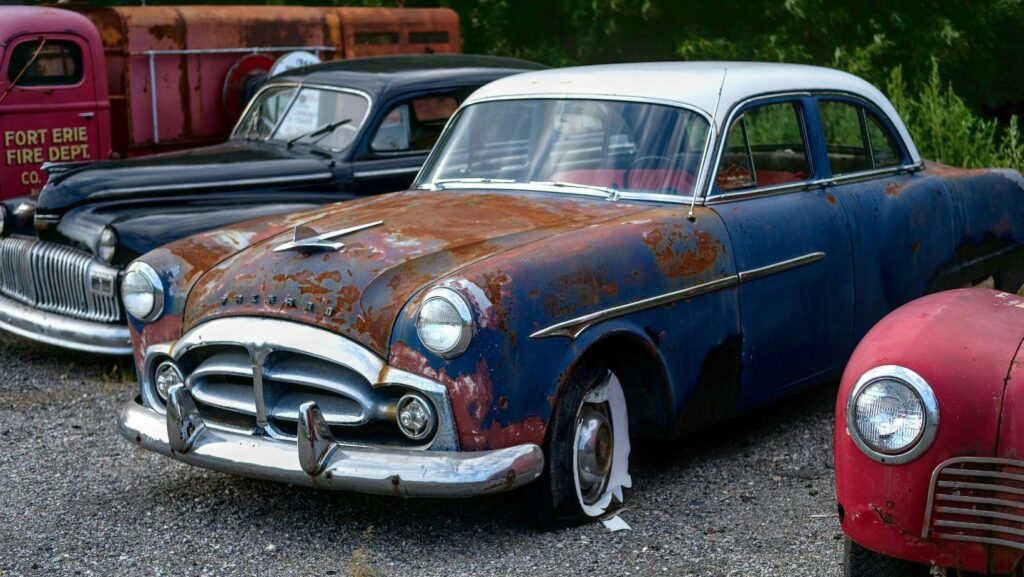
An old vehicle can easily become one more item that gets pushed aside. It may be sitting in a garage, parked in a driveway, covered by a tarp, or tucked behind the home where nobody has paid much attention to it for years.
Still, it is important not to overlook the car. An old vehicle may have value, important personal belongings inside, unpaid fees attached to it, or paperwork that needs to be handled before it can be sold or removed.
A simple checklist can help families deal with the vehicle in an organized way while managing the rest of the estate.
Table of Contents
ToggleBegin With the Vehicle Paperwork
The first step is to find any documents connected to the car.
Check filing cabinets, desk drawers, folders, safes, glove compartments, mail stacks, and boxes of old records. Many people keep vehicle paperwork with insurance documents, tax records, or other important files.
Try to locate:
The title is especially important. It helps establish ownership and is often needed when the vehicle is sold, transferred, or removed.
Do not worry if the title cannot be found right away. Missing titles are common, especially with older cars. The important thing is to avoid rushing into a decision before understanding who owns the vehicle and who has the right to handle it.
Search the Vehicle for Personal Belongings
Before anyone removes the vehicle, inspect it carefully.
Cars often become storage spaces over the years. A glove compartment may contain paperwork. The trunk may hold tools, family photos, old documents, or items that have been forgotten for a long time.
Check these areas:
Look for house keys, garage remotes, bank statements, tax documents, jewelry, medication, letters, military records, toll passes, or anything with personal information.
Set important items aside in a labeled box. If several family members are involved, take photos of anything that may have sentimental or financial value before deciding what to do with it.
It is also a good idea to remove personal information before the vehicle leaves the property. Old registration forms, insurance cards, and receipts can contain addresses, phone numbers, and other private details.
Assess the Car’s Condition Honestly
An old vehicle is not always a junk vehicle. Some cars still have value, even if they have not been driven in years.
Take a close look at the car before deciding what to do with it.
Ask yourself:
A car with a dead battery and decent overall condition may be worth repairing or selling to a junk car buyer. A vehicle with major engine problems, extensive rust, flood damage, missing parts, or a severely damaged interior may be more practical to remove.
Try to be realistic about repair costs. A car may have sentimental value, but that does not always mean it makes financial sense to restore it.
Confirm Who Has Authority to Make Decisions
This step is often overlooked during estate cleanouts.
The person cleaning out the home may not be the person legally allowed to sell or transfer the vehicle. Depending on the situation, that authority may belong to an executor, trustee, personal representative, surviving spouse, co-owner, or heir.
Before signing paperwork or arranging removal, confirm who has the right to make the decision.
This can become especially important when several family members are involved. One relative may believe the vehicle should be sold, while another may want to keep it. A clear understanding of the estate process can help avoid disagreements.
Keep copies of any documents used during the transfer or removal process. Even if the vehicle has little value, organized records can make it easier to close out the estate later.
When there are questions about ownership, title transfer, or estate authority, it may be helpful to speak with an estate attorney, title office, or qualified professional before the car is moved.
Choose the Best Option for the Vehicle
Once you understand the condition of the car and who can make decisions, you can consider the available options.
Sell It Privately
Selling the vehicle privately may work well if it runs, has low mileage, or is in good overall condition. This option may bring in more money, but it also requires effort.
You may need to clean the vehicle, take photos, answer buyer questions, arrange showings, and handle paperwork.
Sell It to a Dealer or Local Buyer
For a newer vehicle that is still in decent shape, selling to a dealer or local buyer may be a convenient option. The offer may be lower than a private sale, but the process can be faster and simpler.
Donate It
Donation may make sense for a vehicle that still has usable value but is not worth the effort of a private sale. Be sure to confirm that the organization accepts the car in its current condition and provides the necessary records.
Arrange Junk Vehicle Removal
A non-running, damaged, rusted, or heavily deteriorated vehicle may be best handled through junk car vehicle removal. This can be a practical choice when the family wants to clear the property quickly and avoid spending money on repairs.
Before pickup, make sure the person handling the vehicle has the necessary paperwork and authority to approve removal.
Prepare for Pickup Day
Once the decision has been made, plan for the vehicle to leave the property smoothly.
Remove all personal belongings. Gather keys, title documents, estate paperwork, and identification for the person handling the transaction. Clear a path so that a tow truck can safely reach the vehicle.
If the car is in a garage, move boxes, furniture, tools, or stored items away from the entrance. If it is parked behind another vehicle, make sure the driveway is clear.
It is also helpful to let close family members know the pickup date. This gives anyone with concerns or questions a final chance to speak up before the vehicle is gone.
Take final photos of the vehicle and save any receipts or records related to its sale, donation, or removal. These documents may be useful for estate files.
Conclusion
An old car may seem like a small part of an estate cleanout, but it can create delays when paperwork and ownership questions are ignored.
Start by locating the title and related documents. Check the vehicle for personal belongings, assess its condition, and confirm who has authority to make decisions.
With a clear plan, the vehicle can be handled carefully and efficiently, allowing the estate cleanout to move forward with fewer loose ends.