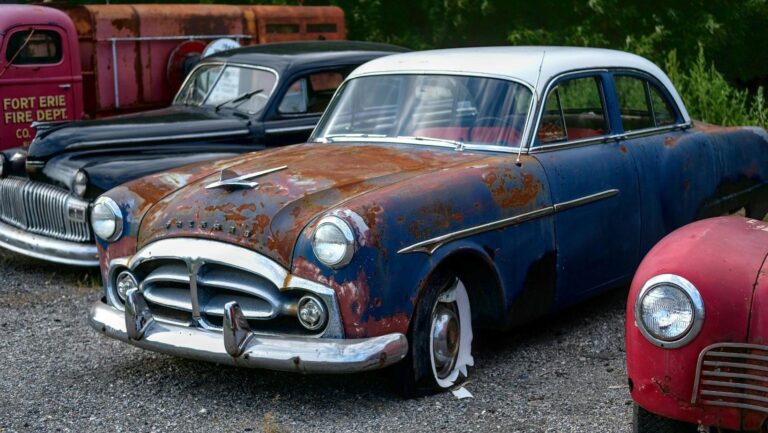
Finding an unwanted vehicle on your property can be frustrating. It may be blocking a driveway, taking up a parking spot, sitting behind a rental home, or making a commercial property look neglected.
Sometimes the vehicle belongs to a former tenant, guest, contractor, or neighbor. Other times, nobody seems to know who owns it. Either way, it is important to handle the situation carefully before arranging for it to be moved.
A vehicle may look abandoned, but it can still have a legal owner. Taking the right steps from the beginning can help you avoid disputes, protect your property, and clear the space safely.
Table of Contents
ToggleStart by Confirming Whether the Vehicle Was Left Behind
Before doing anything, try to learn how the vehicle ended up on the property.
An old car in a driveway may belong to a tenant who moved out without taking it. A truck behind a business may belong to a contractor who plans to return. A car in a shared parking area could belong to a guest of another resident.
Ask a few basic questions before assuming the vehicle has been abandoned:
A dirty, damaged, or non-running car is not automatically ownerless. Some vehicles sit for months because the owner cannot afford repairs, is waiting for a title, or simply has not decided what to do with it.
Check for Safety Problems
An unwanted vehicle can create more than a parking issue. It may become a safety concern if it has broken windows, leaking fluids, flat tires, missing parts, or loose debris around it.
Keep children, pets, and visitors away from the vehicle if it appears damaged. Do not try to start it, enter it, or move it yourself unless you know it is safe and you have the authority to do so.
Pay attention to warning signs such as:
If the vehicle seems suspicious, appears stolen, or creates an immediate hazard, contact local authorities or the appropriate property professional. It is better to let the right people assess the situation than to create a bigger problem by handling it on your own.
Document Everything Before Taking Action
Good documentation makes the process easier. Take clear photos of the vehicle from several angles before anyone touches it.
Record the following details:
For rental properties, keep this information with the tenant file or property records. For commercial properties, keep it with your maintenance or parking records.
This may seem like extra work, but it can protect you later. If the owner disputes the removal or claims the vehicle was damaged, you will have a clear record showing the condition of the car and the steps you took.
Try to Contact the Owner
When possible, make a reasonable effort to identify and contact the owner.
For example, if the vehicle was left behind by a former tenant, send a written message to the last known phone number, email address, or mailing address. If it belongs to a guest, ask the resident connected to that guest to reach out.
Keep the message simple and professional. You do not need to make threats or accusations.
A notice could say:
“An unclaimed vehicle remains parked at the property. Please contact us by a specific date to confirm ownership and arrange for removal.”
Giving the owner a reasonable opportunity to respond can prevent unnecessary conflict. It also shows that you made a fair attempt to resolve the situation before taking further steps.
If no one responds, keep a copy of the notice and make a note of the date it was sent.
Understand Your Rights Before Arranging Removal
A vehicle on your property does not automatically become yours. Even if the owner has not been seen in a long time, there may be rules about when and how a vehicle can be towed or removed.
This is especially important for landlords, property managers, homeowners associations, and business owners. The correct procedure can depend on the type of property, existing parking rules, posted signage, lease terms, and local requirements.
Rental properties often need extra care. A vehicle left behind after a tenant moves out may be connected to a lease issue, unpaid rent, personal property concerns, or a title problem.
Before arranging junk car removal, review any written agreements connected to the property. Look at lease terms, parking rules, move-out notices, and previous communication with the tenant.
When you are unsure, it is wise to contact a qualified towing provider, local authority, property manager, or legal professional for guidance. A few minutes of research can help you avoid handling the vehicle incorrectly.
Decide Which Removal Option Makes Sense
Once ownership and authorization are clear, decide what should happen to the vehicle.
A running vehicle in decent condition may be worth selling privately or trading in. A vehicle with mechanical problems, major damage, missing parts, or years of wear may be better suited for removal as a junk vehicle; better to sell it to a junk car buyer.
Consider the following:
For a damaged or non-running car, professional vehicle removal may be the easiest route. Make sure the person authorizing the pickup has the required paperwork and legal right to make decisions about the vehicle.
Ask questions before scheduling pickup. Find out whether towing is included, what documents may be needed, and whether the company can remove vehicles that do not run.
Avoid Common Mistakes
The biggest mistake is acting too quickly.
Do not push the vehicle into the street, remove valuable parts, sell it, or let someone haul it away without confirming who has the authority to do so. These actions can create legal problems and arguments that are much harder to solve later.
Another mistake is letting the car sit for too long. In South Florida, heat, rain, and humidity can cause an unused vehicle to deteriorate quickly. Tires can deflate, interiors can develop mold, metal can rust, and fluid leaks can damage the driveway or surrounding ground.
A better approach is to document the situation, communicate clearly, confirm your authority, and arrange proper removal when the time is right.
Conclusion
An unwanted vehicle can create stress, take up useful space, and make a property look poorly maintained. Still, the situation does not have to become a major problem.
Start by identifying the vehicle and trying to contact the owner. Document its condition, review your rights, and choose a responsible removal option once you know who has authority to act.
With a careful approach, you can clear the property while protecting yourself from unnecessary trouble.