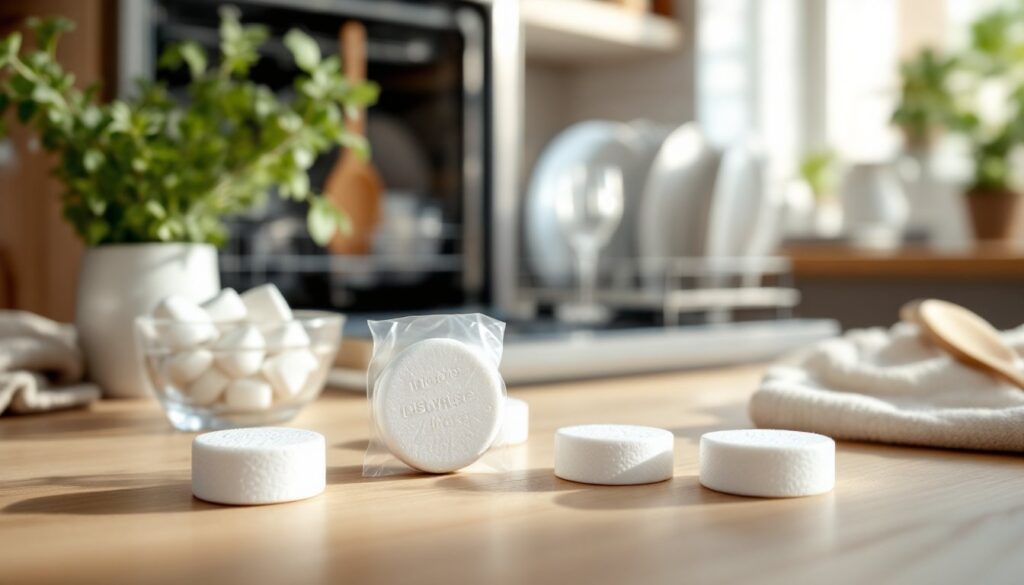
Most homeowners don’t think twice about what’s in their dishwasher detergent, until residue shows up on glassware or a family member develops skin irritation. Traditional dishwasher tablets often contain harsh chemicals that can leave traces on dishes, release fumes during the wash cycle, and eventually make their way into water systems. Non-toxic dishwasher tablets offer a safer alternative without sacrificing cleaning power. They skip the phosphates, chlorine, and synthetic fragrances found in conventional options, relying instead on plant-based enzymes and mineral cleaners. For households with young children, pets, or anyone sensitive to chemicals, switching to non-toxic tablets is a straightforward upgrade that addresses both health and environmental concerns.
Table of Contents
ToggleKey Takeaways
- Non-toxic dishwasher tablets eliminate harsh chemicals like phosphates and chlorine while delivering comparable cleaning power to traditional options for everyday loads.
- Plant-based enzymes, mineral-derived surfactants, and oxygen bleach are the safe, biodegradable ingredients that make non-toxic tablets effective without leaving chemical residue on dishes.
- Non-toxic dishwasher tablets are essential for households with young children, pets, septic systems, or family members with chemical sensitivities, allergies, or skin conditions like eczema.
- Check for third-party certifications (EPA Safer Choice, USDA Biobased, Green Seal) and full ingredient transparency to verify a product is truly non-toxic, since labels like ‘natural’ and ‘eco-friendly’ lack standardized definitions.
- Optimize results by scraping dishes instead of pre-rinsing, using a normal or heavy cycle, maintaining water temperature between 120–140°F, and adding a plant-based rinse aid to prevent spotting.
- Non-toxic tablets cost slightly more per load ($0.25–$0.50 vs. $0.15–$0.30) but offset expenses through sustainable packaging and reduced environmental impact on waterways and aquatic ecosystems.
Why Switch to Non-Toxic Dishwasher Tablets?
Conventional dishwasher tablets get dishes clean, but they come with trade-offs. Many formulations contain phosphates that contribute to algae blooms in waterways, chlorine bleach that can off-gas during heated wash cycles, and synthetic fragrances linked to respiratory irritation and endocrine disruption. Even small amounts of residue left on plates and utensils can transfer to food.
Non-toxic tablets eliminate these risks by using biodegradable ingredients that break down safely after the rinse cycle. They’re particularly important for households with:
- Babies and toddlers, who put dishes and utensils directly in their mouths
- Pets that drink from bowls washed in the dishwasher
- Individuals with chemical sensitivities, asthma, or skin conditions like eczema
- Septic systems, which can be disrupted by harsh surfactants and antibacterial agents
Beyond health, non-toxic options align with water conservation efforts. Many are formulated to work effectively in shorter, eco-friendly wash cycles, reducing both energy and water use. They also typically come in plastic-free or recyclable packaging, cutting down on landfill waste.
What Makes a Dishwasher Tablet Truly Non-Toxic?
Not every product labeled “natural” or “eco-friendly” is genuinely non-toxic. The term lacks a standardized definition in the cleaning products industry, so it’s up to consumers to read ingredient lists and certifications.
A truly non-toxic dishwasher tablet should:
- Contain no phosphates, chlorine, or synthetic dyes
- Use plant-based or mineral-derived surfactants instead of petroleum-based ones
- Avoid optical brighteners, which are chemicals that make dishes appear whiter but don’t rinse away completely
- Skip artificial fragrances, which can contain dozens of undisclosed chemicals
- Carry third-party certifications like EPA Safer Choice, USDA Biobased, or Leaping Bunny (cruelty-free)
Ingredient transparency matters. Reputable brands list every component on their packaging or website, not just the active cleaning agents. If a product uses vague terms like “proprietary blend” or “natural fragrance” without further detail, that’s a red flag.
Key Ingredients to Avoid in Conventional Tablets
When comparing products, steer clear of these common additives:
- Phosphates: Banned in many states due to environmental damage, but still legal in some formulations
- Chlorine bleach (sodium hypochlorite): Effective at whitening but harsh on skin and respiratory systems
- Sodium lauryl sulfate (SLS): A foaming agent that can irritate mucous membranes
- Formaldehyde or formaldehyde-releasing preservatives: Linked to cancer in high doses
- Phthalates: Often hidden in fragrance blends: known endocrine disruptors
- Triclosan: An antibacterial agent that contributes to antibiotic resistance and harms aquatic life
Some tablets also contain polyethylene glycol (PEG) or polyvinyl alcohol (PVA), which may be biodegradable in theory but don’t always break down fully in municipal water treatment systems.
Top Non-Toxic Dishwasher Tablet Ingredients to Look For
Effective non-toxic tablets rely on a combination of plant-based enzymes, mineral cleaners, and biodegradable surfactants. Here’s what to look for on the ingredient list:
- Enzymes (protease, amylase, lipase): Break down protein, starch, and grease naturally. These are the workhorses of non-toxic formulas.
- Sodium carbonate (washing soda): A mineral-based alkali that cuts through grease and hard water buildup.
- Sodium citrate: Derived from citrus, it softens water and prevents mineral deposits on glassware.
- Plant-based surfactants (like decyl glucoside or lauryl glucoside): Help water spread across dish surfaces and lift away food particles.
- Oxygen bleach (sodium percarbonate): A safer alternative to chlorine bleach: breaks down into water, oxygen, and soda ash.
- Essential oils (optional): Some brands use lavender, lemon, or eucalyptus oil for light scent without synthetic chemicals. Look for products that specify the type and source.
Tablets may also include sodium silicate as a corrosion inhibitor to protect the dishwasher’s metal components, and sodium bicarbonate (baking soda) for gentle abrasion and odor control. Both are mineral-derived and considered safe.
How Non-Toxic Tablets Compare to Traditional Options
The biggest concern homeowners have when switching is whether non-toxic tablets clean as well as conventional ones. The answer depends on water hardness, dishwasher model, and the type of soil being cleaned.
Cleaning power: Non-toxic tablets handle everyday loads, plates with dried food, greasy pans, coffee-stained mugs, just as well as traditional options. They may struggle with baked-on, carbonized residue (like casserole dishes left overnight) unless paired with a pre-rinse or scrub. Enzyme-based formulas need time to work, so skip ultra-short cycles if possible.
Hard water performance: Many non-toxic brands include built-in water softeners like sodium citrate, but homes with very hard water (above 180 ppm) may still see spotting on glassware. In those cases, add a separate rinse aid made from plant-based ingredients, or run a monthly cleaning cycle with white vinegar to clear mineral buildup.
Cost: Non-toxic tablets typically cost $0.25 to $0.50 per load, compared to $0.15 to $0.30 for conventional brands. The premium pays for safer ingredients and eco-friendly packaging. Buying in bulk or subscribing through a manufacturer’s website often brings the per-load cost down.
Packaging: Most non-toxic tablets come in compostable wrappers or recyclable cardboard boxes, versus the plastic tubs used by many traditional brands. Some are individually wrapped in water-soluble film (usually PVA), which dissolves during the wash cycle, just confirm the film is biodegradable.
Choosing the Right Non-Toxic Dishwasher Tablets for Your Needs
Not all non-toxic tablets are formulated the same way. Here’s how to match a product to your household’s specific situation:
For hard water: Look for tablets with extra sodium citrate or sodium carbonate. Some brands offer a “hard water formula” that includes higher concentrations of water softeners.
For sensitive skin: Choose fragrance-free options with minimal ingredients. Even essential oils can trigger reactions in some individuals. Certifications like Dermatologist Tested or Hypoallergenic add confidence.
For septic systems: Stick with tablets that are explicitly labeled septic-safe. Enzyme-based formulas are generally fine, but avoid any product with antibacterial additives or high levels of surfactants, which can disrupt the bacterial balance in the tank.
For older dishwashers: Non-toxic tablets rely on modern spray arm design and water temperature. If your dishwasher is more than 10 years old, make sure it heats water to at least 120°F and has a functioning rinse aid dispenser. Otherwise, pre-treat heavily soiled dishes.
For eco-conscious buyers: Prioritize tablets in plastic-free packaging and those certified by third-party organizations like Green Seal or EcoLogo. Check if the manufacturer offers a refill or subscription service to reduce shipping waste.
Tips for Getting the Best Results with Non-Toxic Tablets
Switching to non-toxic tablets may require a few tweaks to your dishwashing routine. These adjustments ensure dishes come out spotless every time:
-
Scrape, don’t rinse: Remove large food particles with a spatula or brush, but skip the pre-rinse. Enzymes need some organic matter to activate properly.
-
Load dishes correctly: Face soiled surfaces toward the spray arms. Don’t overcrowd, water and detergent need to reach every item.
-
Use the right cycle: Choose a normal or heavy cycle for best results. Eco or quick cycles may not give enzymes enough time to break down food.
-
Check water temperature: Non-toxic tablets work best when water reaches 120°F to 140°F. If your water heater is set lower, raise it or use the dishwasher’s built-in heating element.
-
Add a rinse aid: Even if your tablet claims to include a rinse aid, a separate plant-based rinse aid in the dispenser helps prevent spotting and speeds drying.
-
Clean the dishwasher monthly: Run an empty cycle with white vinegar or a dishwasher cleaner to remove mineral deposits and detergent buildup. This keeps the spray arms clear and improves tablet performance.
-
Store tablets properly: Keep them in a cool, dry place. Exposure to moisture can cause tablets to clump or lose effectiveness before use.
If dishes come out with residue after following these steps, the issue may be with the dishwasher itself, check for clogged spray arms, a dirty filter, or a failing heating element. Non-toxic tablets can’t compensate for mechanical problems.