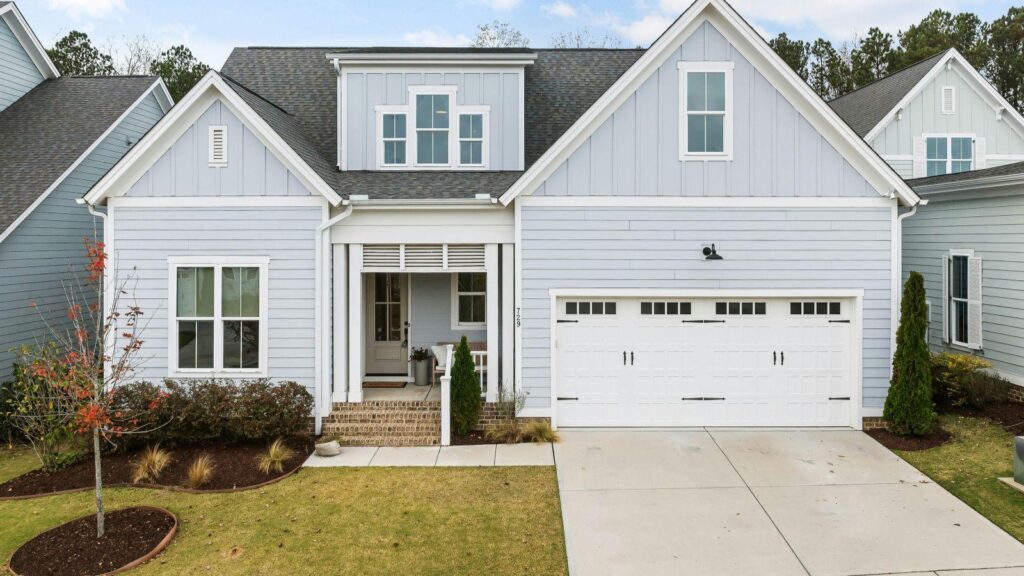
Whether you are thinking about selling, refinancing, or simply keeping track of your investment, knowing your property’s value can be helpful. A home value estimator provides a quick way to get an estimate based on available market data and recent sales activity in your area. It serves as a useful starting point for homeowners who want a general idea of their home’s current market position.
Table of Contents
ToggleHow a Home Value Estimator Works
A home value estimator uses an automated valuation model, often called an AVM, to generate an estimated property value. These tools analyze information such as:
- Recent home sales in the area
- Property tax records
- Public ownership records
- Home size and features
- Market activity and trends
By comparing similar properties and available market data, the estimator can provide a general value range for a home.
Why Homeowners Use Online Estimates
A home value estimator can be useful in a variety of situations. Many homeowners use these tools to:
- Prepare for a future home sale
- Monitor changes in property value
- Estimate home equity
- Explore refinancing opportunities
- Understand local market conditions
Because estimates are available instantly, they can provide valuable insight without requiring a formal property evaluation.
Factors That Influence Home Value
While automated tools rely heavily on data, several factors can affect a property’s actual market value.
Location
Location remains one of the most important factors in real estate. Proximity to schools, shopping, employment centers, and community amenities can significantly influence buyer demand.
Comparable Sales
Recent sales of similar homes, often called “comps,” play a major role in determining value. These transactions provide insight into what buyers are currently willing to pay in a specific market.
Property Condition
The overall condition of a home can have a significant impact on value. Updated kitchens, renovated bathrooms, newer roofing, and well-maintained systems often contribute positively to pricing.
Market Conditions
Interest rates, housing inventory, and local demand can all influence property values. Market conditions often shift throughout the year, affecting how much buyers are willing to spend.
Home Value Estimator vs. Comparative Market Analysis
While a home value estimator can provide a useful starting point, it does not account for every detail about a property. Automated tools cannot fully evaluate recent upgrades, unique features, or subtle neighborhood differences.
A comparative market analysis (CMA), prepared by a real estate professional, takes a more detailed look at local market conditions and comparable properties. This often results in a more accurate estimate than an automated tool alone.
Home Value Estimator vs. Professional Appraisal
It is also important to understand the difference between an online estimate and a professional appraisal.
A home value estimator uses algorithms and publicly available data to generate an estimate. A professional appraisal involves a licensed appraiser physically evaluating the property and preparing a formal report that may be required by lenders during a real estate transaction.
Common Mistakes When Estimating Home Value
Homeowners sometimes make assumptions that can lead to inaccurate pricing expectations.
Common mistakes include:
- Relying only on listing prices rather than sold properties
- Comparing homes that are not truly similar
- Overlooking current market conditions
- Allowing emotional attachment to influence value expectations
Using multiple sources of information can help create a more realistic understanding of a property’s worth.
Using Estimates as a Starting Point
A home value estimator can provide a helpful snapshot of what a property may be worth in today’s market. While it should not replace a professional evaluation, it can offer valuable insight for homeowners exploring their options.
Combining online estimates with local market knowledge and professional guidance often provides the clearest picture of a home’s true market value and helps homeowners make more informed real estate decisions.